DEL RIO, TX 78840 · 78841 · 78842 · 78843 FREE ON-SITE ESTIMATES · HABLAMOS ESPAÑOL · (830) 469-4666 EnglishEspañol
Del Rio Fence & Gate Fence & gate construction, Val Verde County

Elevation F-1: six-foot wood privacy fence

Wood privacy fences built for Del Rio rock and sun.

Cedar or treated pine on posts bored into the caliche and set in concrete. We measure first, file the city permit, and build the finished side facing out.

Estimate requestNO DEPOSIT · SHEET 1/1
Same-day callback on weekdays. We measure before quoting.
GRADE 6'-0" 8'-0" O.C. TYP. DOG-EAR PICKET: CEDAR OR TREATED PINE 2×4 RAIL (BEYOND: FACES OWNER'S YARD) CONCRETE FOOTING
F-1  Six-foot privacy fence, elevation AS DRAWN
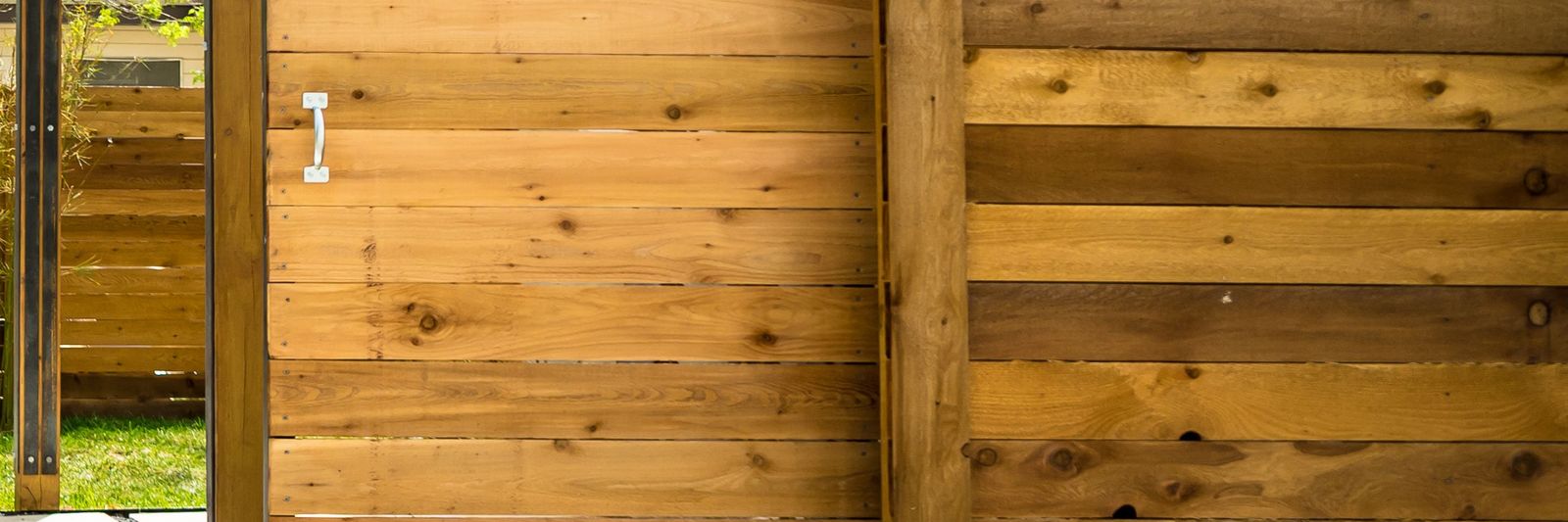
Horizontal cedar privacy fence with a matching cedar gate, framed on steel posts
Built: cedar, boards run sideways SAME POSTS AND FOOTINGS UNDERNEATH AS BUILT
Cedar or treated pine

MATERIAL SELECTION

Del Rio is hard on wood in a different way than the wetter parts of Texas. Rot is less of a threat here than sun. Long, dry summers bake the moisture out of boards, and cheap pine cups, twists, and splits along the grain within a few seasons.

Cedar holds its shape better through that cycle because its natural oils keep it stable, and it weathers to an even silver-gray if you never touch it. Treated pine costs less and makes a good fence when it is sealed, but it wants sealer or stain every two to three years to stay flat and hold its color.

Our honest rule: if you want to build it and forget it, pay for cedar. If budget leads and you don't mind a weekend with a sprayer now and then, pine does the job.

Getting posts into Del Rio ground

DETAIL: POST FOOTING
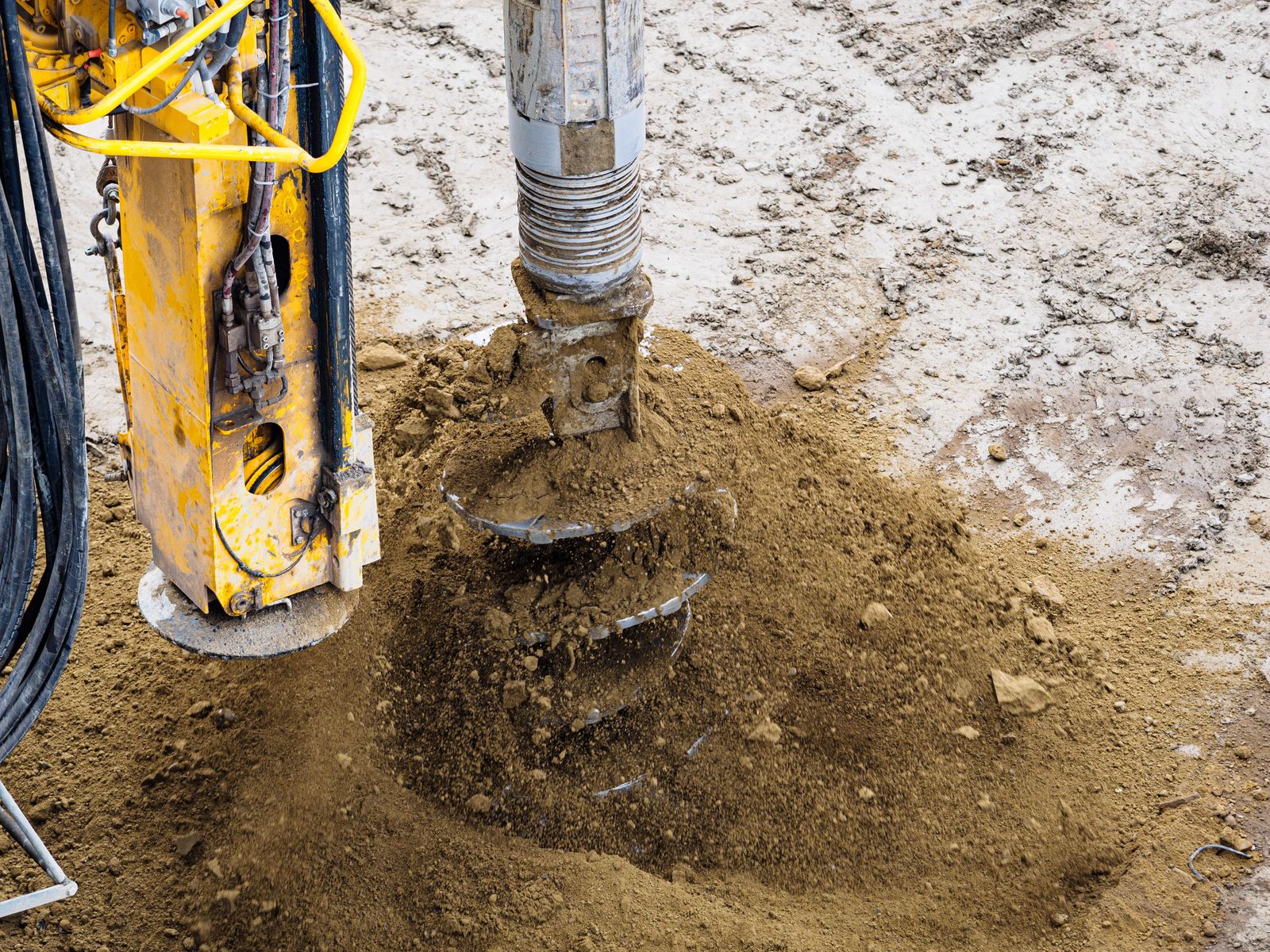
Hydraulic auger with a rock bit boring a fence post hole through hard, rocky soil
Boring a post holeCALICHE AND LIMESTONE: WHY PHONE QUOTES MISS
1/3 OF POST BELOW GRADE GRADE CONCRETE COLLAR, CROWNED TO SHED WATER
D-1  Post footing section CROWN THE CONCRETE SO WATER RUNS OFF, NOT IN

A fence stands or falls on its posts, and in Del Rio the posts are the hard part. Much of the city sits on caliche and limestone a few inches to a couple of feet down. A hand digger stops there. Crews without the right equipment set posts too shallow and hope, and those are the fences leaning after the first spring windstorm.

We bore post holes with a powered auger and a rock bit, down to about a third of the post length, then set each post in concrete crowned at the top so water runs off instead of pooling against the wood. Gate posts get a heavier post and a deeper, wider footing, because every swing of the gate pries on them.

If your lot needs rock drilling, it shows up on the quote as its own line, so you can see exactly what the ground is costing you.

Details worth paying for

SPECIFICATION

Board-on-board

Pine shrinks as it dries, and side-by-side pickets open gaps you can see through. Overlapped boards stay private as they shrink. In a climate this dry, that matters more than almost anywhere.

Cap rail

A horizontal cap across the tops stiffens the run, keeps sun and rain off the end grain, and hides small differences in picket height. It is the detail that makes a wood fence look built rather than assembled.

Steel posts behind a wood face

Galvanized steel posts don't warp, crack, or get eaten by termites, and the boards hide them from both sides. On an open, windy lot, they are worth the extra cost.

Steel-framed gates

Gates in a wood fence get a steel frame, so they stay square as the boards age. A gate wide enough for a truck is a driveway gate build, not a fence panel on hinges.

Permits for wood fences

CITY OF DEL RIO

Inside city limits, a new wood fence needs a permit from the City of Del Rio, and so does replacing or repairing half or more of an existing one. We prepare and file the application as part of the job, so you never need to visit Development Services. Smaller repairs below that line don't need one.

Height limits and placement depend on your lot and zoning, so we confirm them with the city before any post goes in. The full picture is in our Del Rio permit guide.

Common questions

FAQ
Cedar or treated pine: which holds up better in Del Rio?

Cedar, in most cases. The sun and dry heat here cause pine to cup, twist, and split unless it is sealed every few years. Cedar stays flatter and weathers to an even gray with no upkeep. Treated pine is the budget choice and performs well if you keep it sealed.

Do I need a permit for a new wood fence in Del Rio?

Inside city limits, yes. The City of Del Rio requires a permit for a new fence and for replacing or repairing half or more of an existing one. We file it for you as part of the job.

What happens if you hit rock when digging post holes?

We expect to. Much of Del Rio sits on caliche and limestone, so we bring a powered auger with a rock bit and bore through it. We check the ground during the estimate, and any rock drilling appears on your quote as its own line item.

Which side of the fence faces my neighbors?

We build the finished side facing out, toward neighbors and the street, as our standard. It looks better from outside and keeps the rails on your side, where you can reach them. If your HOA or your own preference calls for something different, tell us before we set posts.

How soon can I stain a new treated pine fence?

Treated pine holds moisture from the treatment process and needs to dry first, often a couple of months even in Del Rio heat. Sprinkle water on a board: if it beads up, wait. If it soaks in, it is ready for stain.

How long should a wood fence last here?

Mostly it comes down to the posts. Boards and rails are replaceable, but posts set deep in crowned concrete decide whether you are making repairs in year eight or year twenty. Cedar that is left alone generally outlasts pine that is never sealed.